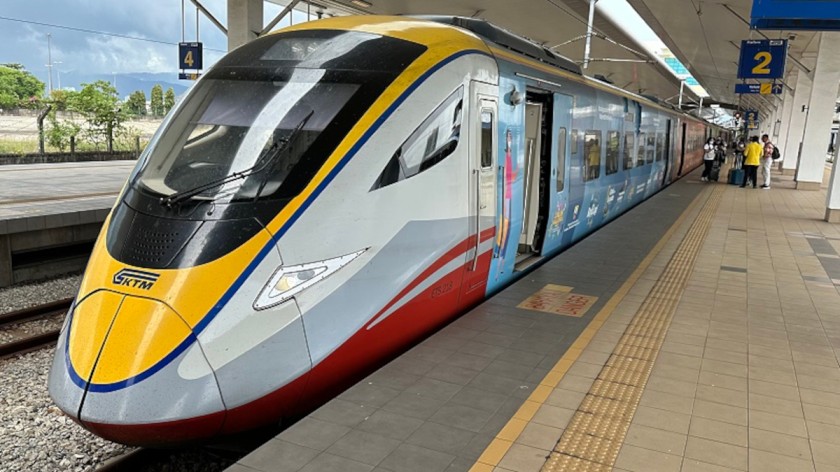
The Real Truth About Train Travel in Malaysia (No mess up, Just Facts). Let me tell you something most travel blogs won’t – Malaysia’s trains are either your best travel hack or your worst nightmare, depending on how well you prepare. I learned this the hard way after missing three connections in KL Sentral during my first month here.
The moment you step into a Komuter train during evening rush hour, you’ll understand why locals have that permanently exhausted look. But here’s the kicker – once you crack the system, you’ll be zipping past gridlocked highways while sipping teh tarik, wondering why anyone bothers with Grab cars.
How to travel by train in Malaysia
I’ve had my bag stolen on the LRT (my own fault), made lifelong friends in a sleeper car to Johor, and discovered hidden food stalls in stations that Google Maps doesn’t know exist. This isn’t some sanitized general list – it’s the raw, sweaty reality of Malaysian rail travel that only comes from actually living it.
Pro tip #1 right off the bat: Never trust the “10-minute transfer” time at KL Sentral. The walking distance between platforms is longer than some Singapore MRT lines, and you’ll be dodging suitcase-wielding tourists the whole way. Pack patience and comfortable shoes.
What you’re about to read comes from:
- 37 delayed Komuter rides
- 2 near-misses with durian smugglers
That one legendary overnight ride when the AC gave up somewhere near Gemas – sweat dripping down our backs like we were in a mobile sauna, until suddenly the whole cabin transformed into a potluck dinner. Aunties started pulling out Tupperware from their bags like magicians, passing around nasi lemak wrapped in banana leaves, the sambal just spicy enough to make you forget about the heat. No one hesitated, no one asked for money – just “Makan lah!” and sticky fingers all around.
This is Malaysian train travel in a nutshell: equal parts frustrating and heartwarming, where even the worst situations turn into stories worth telling. I’ve collected enough of these moments to fill a book – from the sublime to the ridiculous. So let me walk you through the real deal: the triumphs, the tragedies, and the downright “only-in-Malaysia” madness you’ll find on these How to travel by train in Malaysia.
1. The Real Deal on Malaysia’s Train Network
A. Urban Rail: Survival Guide for KL’s Rush Hour Madness
- KTM Komuter is the workhorse of the system, but delays are common—always add 30 mins buffer time. Pro tip: The “women only” coach (front of train) is cleaner and safer during peak hours.
- LRT/MRT lines are air-conditioned bliss compared to Komuter. The Kajang line (MRT) has the best phone signal for remote workers.
- KL Monorail is a tourist trap—slow, cramped, but unavoidable for Bukit Bintang access. Walk to Pavilion Mall instead if it’s under 500m.
B. Long-Distance Trains: ETS vs. KTM Night Trains
- ETS (Electric Train Service) is Malaysia’s pride—clean, punctual, with USB ports. But the “Platinum Class” is a scam unless you need legroom for a 6’5” frame.
- KTM Intercity sleepers are gritty but romantic. The Butterworth-Gemas route has 1950s-era carriages with fold-down beds—bring your own sheet if you’re germ-phobic.
- East Coast Railway is for adventurers. The jungle views are epic, but services are erratic. Check Facebook groups for real-time updates—the official schedule lies.
2. Hacking the Ticket System (Save Money, Avoid Scams)
Where to Buy
- KTMB website crashes every public holiday. Use their mobile app instead—it’s janky but works.
- Third-party sites (Easybook, BusOnlineTicket) charge RM3-5 extra but have better UI. Worth it for foreigners struggling with Malaysian payment gateways.
- Station counters accept cash only at smaller stops. KL Sentral’s “Tourist Counter” has English-speaking staff but queues are brutal before 9AM.
Seat Selection Tricks
- ETS: Window seats on the right side (facing northbound) give the best views of Cameron Highlands’ tea plantations.
- Avoid Coach C on older ETS trains—it’s near the smelly toilet.
- Night trains: Lower bunks cost more but upper bunks have better AC airflow.
3. Unwritten Rules Every Local Knows (But Won’t Tell You)
- Food smuggling is normal. Nasi lemak in backpacks, durian in sealed containers—just don’t stink up the cabin.
- “No seat reservations” means WAR. On Komuter, old aunies will throw elbows for empty seats during peak hours.
Not really. You’ll board expecting peaceful travel, only to find yourself trapped in a mobile warzone of aunties gossiping at jet-engine volume, toddlers reenacting The Exorcist, and at least three different TikTok trends blasting simultaneously from tinny phone speakers. I once timed it – 47 seconds of actual silence before someone’s “Cheras traffic jam live report” video started auto-playing.
Savvy locals know the drill:
- Download white noise tracks in advance (train announcements will still cut through)
- Master the art of the “Malaysian death stare” – though frankly, nobody ever notices
Pro tip: The mythical quiet coach does technically exist on some ETS routes, but good luck enforcing it when a group of makciks boards with enough kuih to feed a village and opinions about their daughter-in-law’s cooking to last until Johor Bahru.
4. Bizarre-but-True Train Stories (Why Malaysia is Unique)
- The Ghost Train to Johor: Locals swear the 2AM Gemas-JB service has “supernatural passengers.” (Pro tip: It’s just sleep-deprived migrants heading to Singapore.)
- Durian Ban Enforcement: There are actual “Durian Police” at some stations. They’ll confiscate your Musang King—eat it before boarding.
- KL Sentral’s Hidden Food: The best nasi kandar isn’t in the mall—it’s at the basement-level Mamak stall only taxi drivers know about.
5. When Trains Beat Flying (The Real Cost Comparison)
- KL to Penang: Flight = 1 hour + 2 hours airport transit. ETS = 4 hours downtown-to-downtown with WiFi.
- KL to Singapore: Airfare RM300+ vs. train RM68. But the train takes 8 hours because of immigration checks. Worth it only for visa runners.
- Pro move: Book ETS to Ipoh + grab a bus to Penang. Saves RM50 vs. direct train, same total time.
6. Survival Kit for First-Timers
Pack these or regret it:
- Power bank (outlets are rare on Komuter)
- Jacket (Malaysian AC is Arctic-level)
- Wet wipes (toilets run out of paper by noon)
- Touch ‘n Go card (bypass ticket queues for urban rail)
Final Verdict: Love It or Hate It?
Let’s be real – you won’t find the clockwork precision of Japanese trains here. What you get instead is something far more interesting: trains with personality. I’ll never forget the morning I watched a makcik expertly unwrap roti canai one-handed while we raced past endless palm trees, grease dripping onto her kain batik without a care. Or that magical moment when a sudden tropical downpour started hammering the roof of my sleeper cabin, turning what should’ve been an ordinary nap into the coziest experience imaginable.
That’s the thing about Malaysian trains – they’re alive in a way sterile transit systems can never be. The delays become stories. The food smells become memories. That one perpetually broken AC unit in coach B? It’s practically a national landmark at this point. You don’t just ride these trains – you experience them, complete with all the beautiful, frustrating, utterly human moments that come with it.
Now go book that ticket. And watch out for the durian police. Thanks for staying with Travel Hub Malaysia. Hope this guide on how to travel by train in Malaysia will make your trip helpful.
Comments